
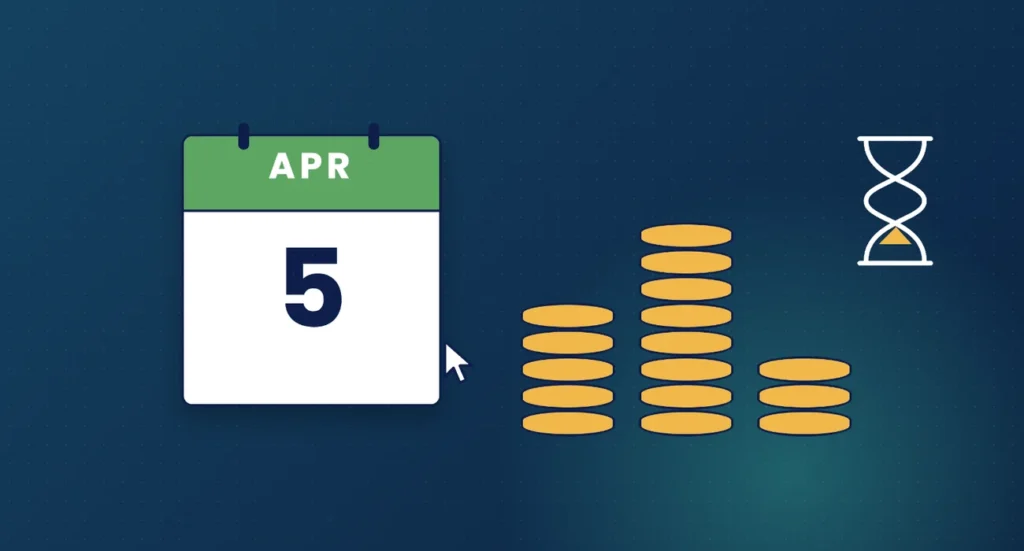
The 2025/26 tax year ends on 5 April 2026, and several allowances cannot be carried into 2026/27. Before then, clients should consider using their £20,000 ISA allowance, their pension annual allowance (including any unused allowance carried forward from 2022/23), the £3,000 capital gains tax annual exempt amount and the £500 dividend allowance. It is also the last chance to backdate some marriage allowance claims and to plan around the dividend tax rate rise that starts on 6 April 2026.
This checklist gives you the 2025/26 figures in one place, with a note on what each one means for clients and what your team should do in the next few weeks.
Key 2025/26 figures at a glance
All figures below are taken from HMRC’s published rates and allowances for 2025/26 and related GOV.UK guidance.
| Allowance | 2025/26 figure | Can unused amounts be carried forward? |
|---|---|---|
| ISA subscription limit | £20,000 | No |
| Lifetime ISA (within the ISA limit) | £4,000 | No |
| Junior ISA | £9,000 | No |
| Pension annual allowance | £60,000 | Yes, from the previous 3 tax years |
| Money purchase annual allowance | £10,000 | No |
| Capital gains tax annual exempt amount | £3,000 (£1,500 for trusts) | No |
| Dividend allowance | £500 | No |
| Personal savings allowance | £1,000 basic rate, £500 higher rate | No |
| Marriage allowance transfer | £1,260 | Claims can be backdated up to 4 years |
| Inheritance tax annual exemption | £3,000 | Yes, for one tax year only |
ISAs
The overall ISA limit for 2025/26 is £20,000, and any unused amount is lost on 5 April. A Lifetime ISA takes up to £4,000 of that limit and attracts a 25% government bonus, up to £1,000 a year. Parents can also pay up to £9,000 into a Junior ISA for each child.
Pensions
The annual allowance is £60,000. Unused allowance can be carried forward from the previous three tax years, so 5 April 2026 is the last day any unused 2022/23 allowance can be used. Points to check with clients:
- High earners may have a tapered allowance if their threshold income is over £200,000 and adjusted income is over £260,000.
- Clients who have flexibly accessed a pension may be limited to the £10,000 money purchase annual allowance.
- Personal pension contributions reduce adjusted net income, which can help clients with income just over £100,000 (where the personal allowance is reduced by £1 for every £2 of income) or over £60,000 (where the High Income Child Benefit Charge starts).
Dividends and the April 2026 rate rise
The dividend allowance is £500. For 2025/26 the dividend rates are 8.75% (basic), 33.75% (higher) and 39.35% (additional). At the Autumn Budget 2025 the government announced that from 6 April 2026 the basic and higher rates will rise by two percentage points, to 10.75% and 35.75%. The additional rate stays at 39.35%.
For owner-managed companies, this makes the timing of dividends worth reviewing before 5 April. Any decision still depends on distributable reserves, the company’s cash position and the client’s wider income, so treat it as a conversation to have, not a default action.
Capital gains
The annual exempt amount is £3,000 for individuals and £1,500 for trusts. HMRC’s Capital Gains Manual confirms that an unused exempt amount cannot be carried forward or back. Clients with investments outside an ISA may want to consider realising gains up to the exempt amount before the year end. For 2025/26 the main capital gains tax rates are 18% and 24%.
Marriage allowance
Marriage allowance lets a lower-earning spouse or civil partner transfer £1,260 of their personal allowance, cutting their partner’s tax by up to £252 a year. The partner receiving it must be a basic rate taxpayer. Claims can be backdated for up to four previous tax years, so a claim made before 5 April 2026 can still reach back to 2021/22. After that date, 2021/22 drops out.
Gift Aid
Higher and additional rate taxpayers can claim extra relief on Gift Aid donations through their Self Assessment return. Donations made after 5 April 2026 can, in some cases, be treated as made in 2025/26, as long as the claim is made by the time the 2025/26 return is filed and other conditions are met. Gift Aid donations also reduce adjusted net income, in the same way as pension contributions.
Inheritance tax gifts
Each person can give away £3,000 a year free of inheritance tax under the annual exemption. Any unused exemption can be carried forward for one tax year only, so a client who made no gifts in 2024/25 could give up to £6,000 before 5 April 2026. Small gifts of up to £250 per person are also exempt.
Your tax year end checklist
- Identify clients with spare ISA allowance and remind them before 5 April
- Review pension contributions, including any unused 2022/23 allowance
- Flag clients near £60,000 or £100,000 of adjusted net income
- Agree dividend timing with owner-manager clients, ahead of the 6 April rate rise
- Review unrealised gains against the £3,000 exempt amount
- Check for missed marriage allowance claims going back to 2021/22
- Ask about Gift Aid donations and inheritance tax gifts made in the year
- Note clients whose 2025/26 qualifying income may be over £30,000, as that sets their MTD for Income Tax start from April 2027
Frequently asked questions
When does the 2025/26 tax year end?
On 5 April 2026. The 2026/27 tax year starts on 6 April 2026.
Is the ISA allowance changing for 2026/27?
No. HMRC’s published rates show the overall ISA limit stays at £20,000 for 2026/27.
Can a client carry forward an unused capital gains exempt amount?
No. The annual exempt amount applies to one tax year only and is lost if not used.
Which dividend rates change on 6 April 2026?
The basic rate rises to 10.75% and the higher rate to 35.75%. The additional rate stays at 39.35%.
How Engager helps
Year-end planning means contacting the right clients at the right time. In Engager you can use custom fields to tag clients by the issues that apply to them, then send bulk email or SMS and automated reminders to just those clients.
You can turn this checklist into a reusable job checklist, set internal deadlines ahead of 5 April, and track progress on Kanban boards so your team can see which conversations are still open.
Not using Engager yet? Start a free 28-day trial, with no card details required, or book a demo.