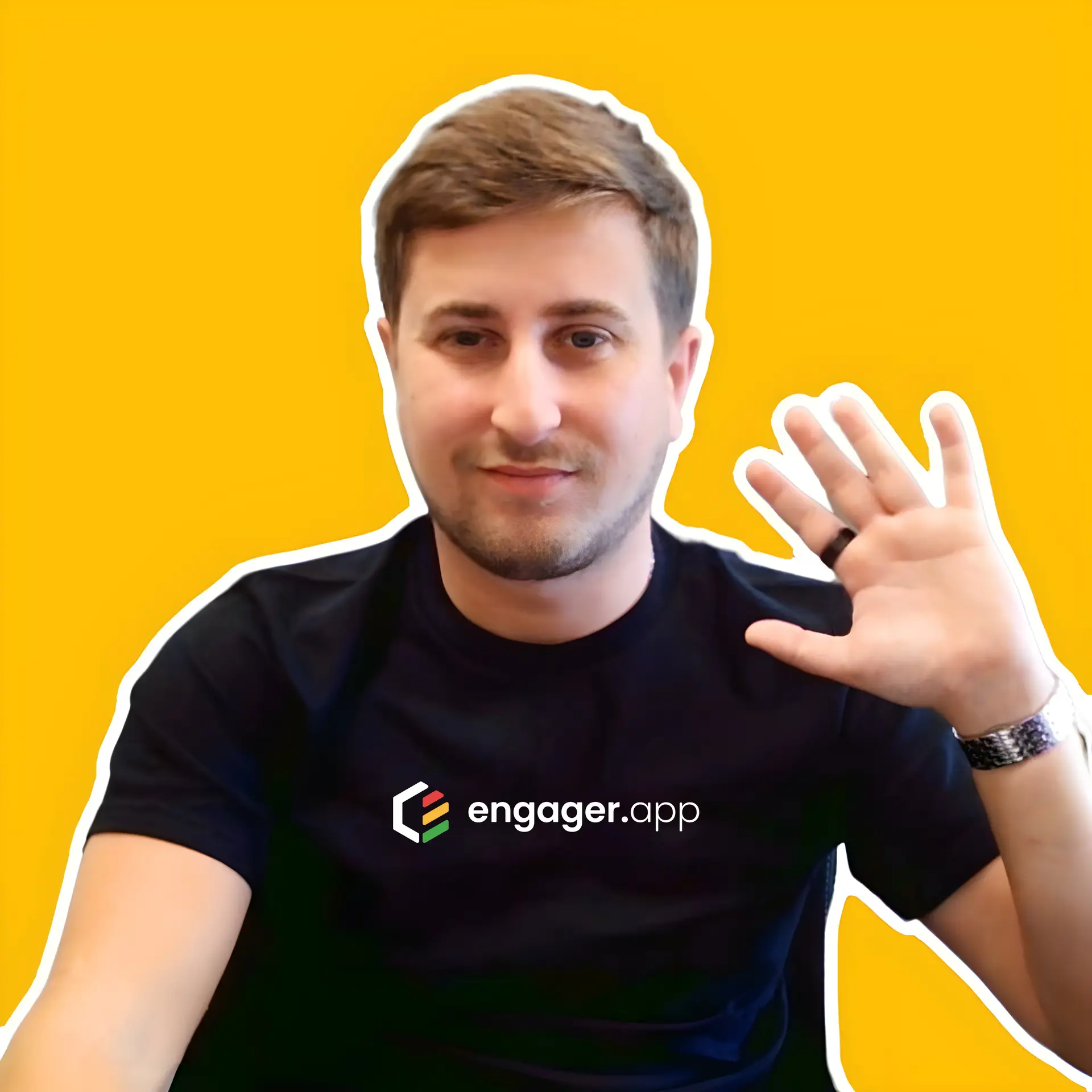

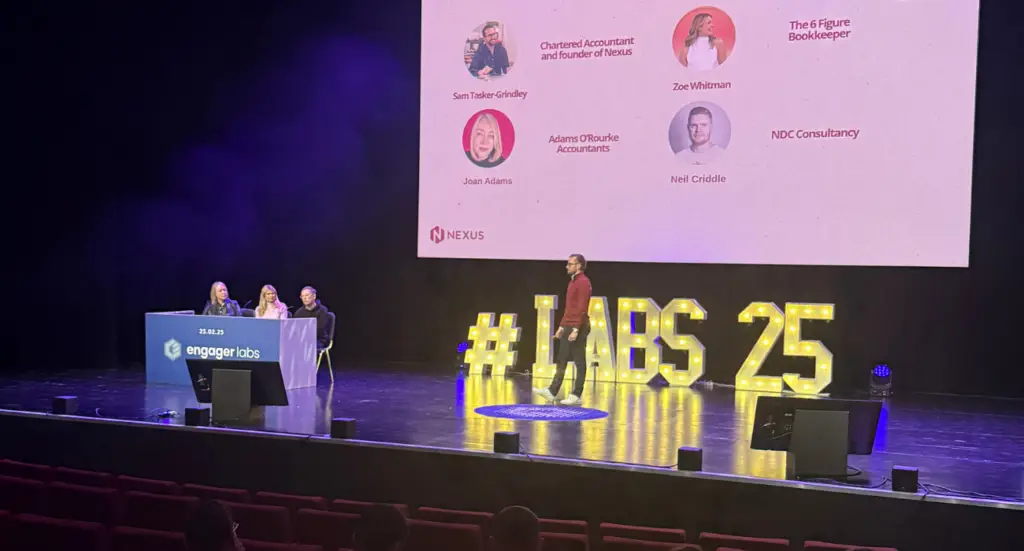
In an industry that increasingly feels like a relentless race against deadlines and technology changes, Sam Tasker-Grindley believes there’s a simpler, more human solution, collaboration.
At Engager LABS, Sam didn’t deliver the usual speech on advisory services. Instead, he championed the power of working alongside others, tapping into the wisdom, expertise, and strengths of trusted partners to create added value, not just more work.
“This isn’t just another session telling you to offer more advisory services. It’s about doing a little bit more by collaborating with the right people outside your practice.”
The Power of Not Knowing Everything
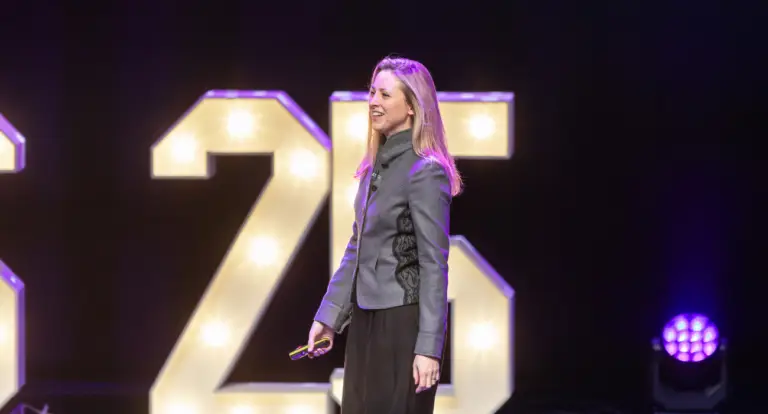
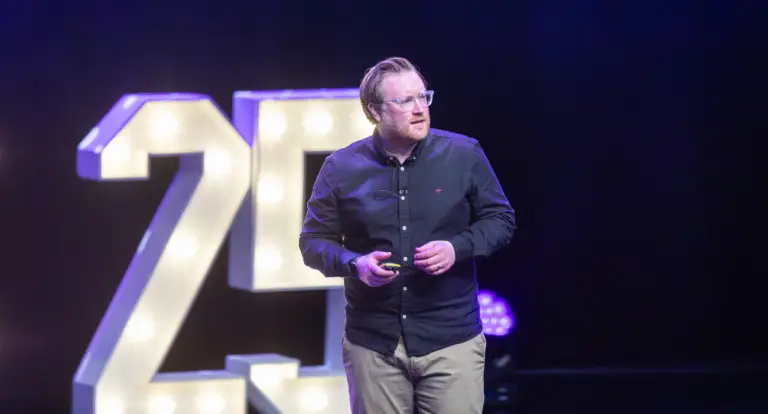
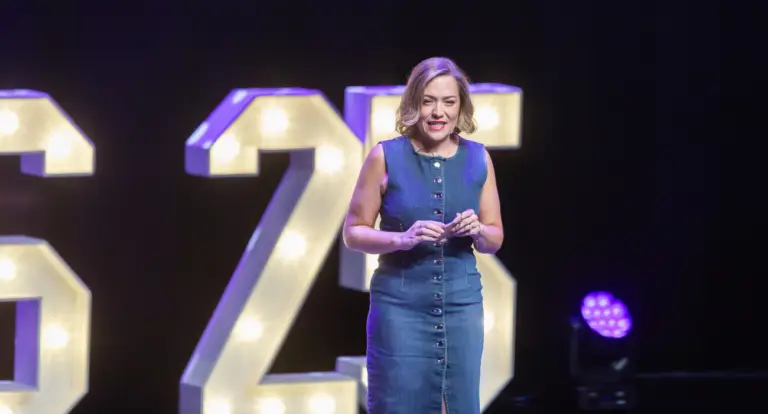
Sam’s session highlighted how collaboration can help accountants and bookkeepers grow without feeling overwhelmed. Joined by Zoe Whitman from the Bookkeepers Podcast, Neil from MD Consultancy, and Joan, an award-winning accountant, the session focused on the magic of being open to external expertise.
As Zoe Whitman explained:
“We’re conditioned to think we must know everything, but that’s impossible. The true strength lies in having a network of experts who can step in when you don’t have all the answers.”
For Zoe, the most significant barrier bookkeepers face is not knowledge or skill, it’s confidence. Too often, bookkeepers fear admitting they don’t have all the answers. Yet by leaning on external expertise, bookkeepers and accountants can actually offer far greater value to their clients.
A New Era for Accountants and Bookkeepers
Sam introduced Neil, who candidly described the importance of having trusted partners:
“We had a client needing a US tax return, something we’d never handled. We reached out to Sam at Nexus, who quickly connected us with an accountant in LA.”
This perfectly captures the session’s theme: you don’t have to know everything yourself, but knowing who to ask or who to refer your clients to is invaluable. Sam emphasised the critical point:
“You still get credit for providing a great introduction.”
Joan, who runs a boutique accounting practice and recently won an Accounting Excellence Award, added another layer, stressing the need for a “360-degree view” of clients. Good collaboration means understanding the whole story behind a client’s request, not just their immediate problem.
Practical Takeaways from Sam’s Session:
Confidence to say “I don’t know”:
- Admit when you don’t have all the answers and confidently introduce your clients to trusted partners who do.
Build strategic partnerships: Form connections based on shared values, trust, and a genuine interest in your clients’ success.
Embrace collaboration as a growth strategy: Think of collaboration as an extension of your team, delivering value without overextending yourself.
Technology Frees Up Your Time, What Next?
Interestingly, despite speaking at a tech-driven event, the panel agreed the future lies not in endless client acquisition, but in deepening relationships with existing clients:
Zoe Whitman pointed out the human side clearly:
“Automation is a gift, giving us more time for what really matters, family, life, and deeper client relationships.”
Joan expanded further, suggesting more time means more space to add genuine value, get creative with clients’ problems, and deliver meaningful outcomes.
Neil added that time should be used to strengthen client relationships, delve deeper into their long-term ambitions, and create lasting impact.
But What If It Goes Wrong?
As collaboration grows, so do potential pitfalls. Sam advised caution:
- Always do your due diligence.
- Keep relationships under review.
- Trust your instincts, if something doesn’t feel right, address it quickly.
- Be careful about who you endorse because your reputation is always tied to your partners’ performance.
The Human Advantage
Technology might be reshaping the industry, but human connections remain paramount. Sam concluded with a poignant reflection:
“The more innovation that technology brings, the more crucial those personal relationships become.”
In essence, accounting and bookkeeping are evolving, not just towards automation, but towards a model of deeper relationships, stronger networks, and meaningful collaborations.
Interested in hearing directly from Sam Tasker-Grindley and the panel? Watch the full talk here:
Frequently asked questions
What should an accountant do when a client needs help they cannot provide?
The panel’s advice was to admit you do not know and introduce the client to a trusted partner who does. Sam Tasker-Grindley pointed out that you still get credit for making a good introduction.
How can collaboration help an accounting or bookkeeping practice grow?
Sam’s session at Engager LABS framed collaboration as an extension of your team, letting you deliver more value to clients without overextending yourself. Partnerships should be built on shared values, trust and a genuine interest in clients’ success.
What are the risks of referring clients to partner firms?
Your reputation is tied to your partners’ performance, so Sam advised doing due diligence, keeping relationships under review and acting quickly if something does not feel right. He also urged care over who you endorse.
What should accountants do with the time automation frees up?
The panel agreed that freed-up time is best spent deepening relationships with existing clients, understanding their long-term ambitions and adding genuine value. Zoe Whitman also highlighted more time for family and life outside work.